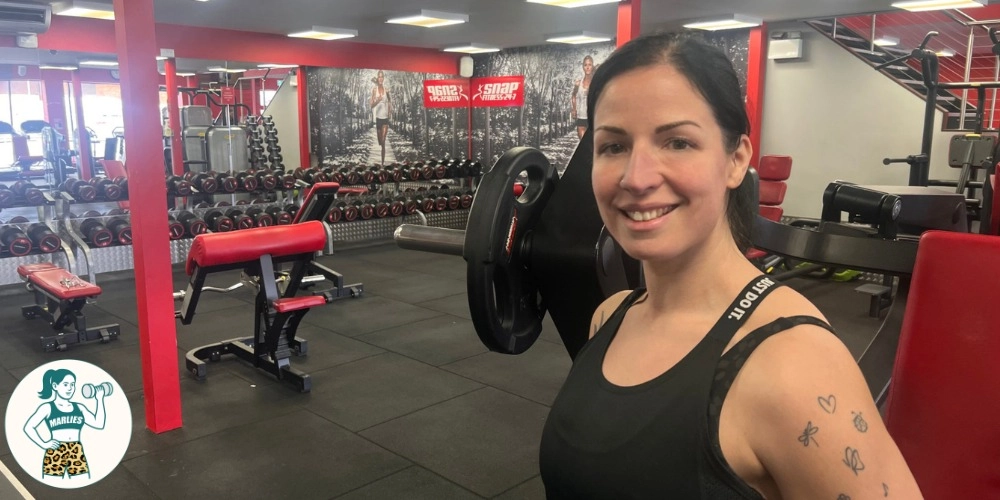

You are going to the gym. You are doing the work. And the bathroom scale is stuck on the same number it showed in the spring. It is hard not to take that personally. Here is the good news: the scale is a terrible narrator. This is where body recomposition comes in. It’s the art of losing fat and building muscle at roughly the same time, which means the scale can stay flat while your clothes fit better and you feel stronger. In this post, we’re diving deep into what body recomposition actually is, who it works best for, and the non-negotiables for training and nutrition. We’ll walk through a realistic six-month timeline, from the confusing early days to the moment your favorite jeans start telling a new story. We’ll also cover exactly how to measure your success without ever stepping on a scale. It is a marathon, not a sprint, and this particular marathon comes with snacks.
What Is Body Recomposition? The Plain-English Answer
The three-sentence version: Body recomposition means losing fat and gaining muscle at roughly the same body weight, so the bathroom scale can stay flat while your shape changes. That is why clothes, photos, tape measurements and gym numbers often tell the story first. It is built by lifting consistently, eating enough protein and keeping calories near maintenance over months, not weeks.
Body recomposition, or “recomp”, is not a secret diet. Eating at maintenance means roughly eating what you burn; a small deficit is about 250 kcal a day below that, which is closer to a couple of biscuits than a crash diet, and it is the sort of gap the research has tested (Examine trial summary). The scale goes quiet because muscle is denser than fat: a kilo of muscle takes up less space than a kilo of fat, so the same number can hide a completely different body under your jeans. It is not a supplement stack or a six-week hack. It comes down to two practical things: progressive strength training, plus enough protein and modest calorie control. The rest of this guide shows you how.
Who Body Recomposition Actually Works For
New and returning lifters are strongest: never lifted seriously or back after a break, your body responds fast to new training stimulus, so fat loss and muscle gain can overlap. This is coaching expectation, not trial finding.
Women with more body fat have more stored energy. In a 10-week trial, a high-protein diet about 250 kcal below maintenance produced fat loss with muscle gain similar to a high-protein maintenance diet; commentary linked this to moderate body fat, noting leaner people may respond less.
Post-baby returners are returning lifters. Recomposition fits real life because it doesn’t demand a cut while running on empty, protecting muscle and energy rather than chasing a number.
On weight-loss medication? Recomposition gets discussed because training protects muscle, but it’s a coaching point, not clinical advice. Chat to your prescriber before changing training, protein or calories.
Who suits it less: already lean with years of lifting, where fat loss and muscle gain fight each other more (cardio vs weights becomes more relevant), or anyone needing a result by a fixed date. And muscle mass through menopause matters.

What the Research Really Shows (And What It Does Not)
Right, let’s talk about what the research actually says, because this is where a lot of fitness content gets a bit loose with the truth.
The clearest study we have is a 10-week randomised trial of 30 people on high-protein diets. One group ate roughly 250 kcal below maintenance, the other ate at maintenance, and both groups lost fat while gaining muscle. So recomposition is real and documented, even in people who already train. Participants averaged about 1.5 years of lifting experience, so it’s not a beginner-only effect.
But here’s the bit most people skip: 26 of the 30 participants were men, the average age was 23, and the study lasted 10 weeks. Unless you are a 23-year-old man, that study is not about you. That cannot be stretched into a promise about six-month outcomes for women, for complete beginners, or for anyone on weight-loss medication. There’s growing research interest in this area, including work on overweight women and postmenopausal women, but these are early signals, not settled answers.
Why the honesty? Because if you’ve been burned by a six-week transformation before, knowing what’s actually been tested is how you stop blaming yourself for a plan that was never realistic in the first place.
The Training Non-Negotiables for Recomposition
The training side is refreshingly unfussy: lift, progress, repeat.
Two to four full body sessions a week is plenty. Progression matters more than the perfect split: add a little weight, a rep or a better range so your body keeps getting a reason to build. Prioritise squats, hinges, presses, rows, glute and core work. Machines count while you learn. Hit all major muscle groups on at least two days a week (NHS).
Get technique sorted early. Sloppy heavy reps build niggles, not muscle. Marlies Fitness in Exeter coaches technique step by step, making the first three months easier.
Work hard on your last few reps without turning every set into a hero attempt. Recomposition wants repeatable effort over months, not one brutal session and a week off with sore legs.
Keep some cardio for heart health, recovery and mood. Brisk walking counts, and 150 minutes a week is the NHS target. Don’t let it crowd out lifting. New or back after a break? A beginner programme removes the guesswork.
The Nutrition Non-Negotiables (Without the Misery)
You’ve got the lifting. Now the food that makes it stick, no spreadsheet required.
Protein is the lever that keeps showing up in the research, so build meals around it. Skip gram-per-kilo maths for now; those numbers get repeated without context and can be wrong for your size. A palm-sized portion each meal is a sane start.
Keep calories near maintenance or slightly below. The trial that documented recomposition used a modest deficit, small on purpose. You should still eat dinner, train properly and sleep.
Bigger deficits backfire. The faster you drop weight, the more muscle you risk losing with the fat, the opposite of what recomposition wants.
Sleep and stress count. Under-slept, stressed bodies hold fat and struggle to recover, and no protein fixes a five-hour night on repeat.
If your plan cannot survive a birthday, a busy week or half term, it is not a plan. It is a countdown. That is why Marlies Fitness talks no crash diets, not quick fixes. Next up, the timeline.
How Long Does Body Recomposition Take for Women?

Right, nutrition covers the “what” and the “how much.” Now for the “how long,” which is the question everyone really wants answered.
Body recomposition is measured in months, not weeks. Six months is a sensible coaching horizon rather than a study finding, because no trial in this area has followed women for six months yet.
Here is the bit that feels back to front: strength and technique change first. Then how clothes fit. Then photos. The scale comes last, if it moves at all. Frustrating, but normal.
Your rate of change depends on your starting point, training history, protein intake, sleep, stress, deficit size and week-to-week consistency. It is not personal, it is just variables.
So please don’t compare your six months with someone else’s. Different starting point, training age and life circumstances.
Next, let’s break those six months into something you can actually picture.
Months 1 to 2: Strength Climbs, Scale Gets Confusing
So that is the timeline. In months one and two, strength climbs fast, often within weeks, especially if you are new or returning. Most of that is your nervous system learning the movements, not kilos of muscle just yet. The scale may drop, sit flat or creep up, because training shifts glycogen and water; a week-three gain is not fat gain. Your jobs: show up, learn technique, get protein into every meal, and don’t rewrite the plan after one weigh-in. If the scales are messing with your head, read Fat Loss vs Weight Loss: Why the Scales Are Lying to You. Take your first photos and tape measurements in week one, before you forget. A first six weeks with a personal trainer can make technique feel less intimidating, and our beginner fitness guides help you settle in.
Months 3 to 4: Clothes Start Telling the Story
The scale might still be stubbornly flat, but your jeans are about to become your new best friend. Around months three to four, waistbands loosen, arms and shoulders firm up, and clothes fit differently even when the number hasn’t budged. This is often where real change shows up first.
Tape measurements and photos finally earn their keep now, because visible change lags behind the strength gains you felt in months one and two. Progress also slows in a good way. Early gains taper off, so expect steady rather than dramatic, and treat smaller weekly improvements as normal. If your gym numbers have stalled, check protein, sleep, and whether you’ve actually been adding weight or reps. Staying consistent when motivation dips matters more than perfection. And if you’re unsure about technique, building gym confidence as a beginner pays dividends here.
Months 5 to 6: The Same Weight, Different Body
By months five and six, the story usually shows up in side by side photos and daily life: stairs feel easier, posture improves, clothes sit where they should. Some women move into a short, focused fat loss phase from here; others stay put. Both are valid. Let your goal decide, not a random number on a chart. If nothing has changed in six months, run through the usual suspects: too large a deficit, too little protein, no real progressive overload, poor sleep or constant programme hopping. Remember, this six-month picture is a practical coaching guide, not a study result. It is an expectation, not a guarantee.
How to Measure Recomposition Without the Scale
So if the scale still isn’t telling the story, here’s what to track instead. It’s coaching practice, not lab science, but women find it useful.
Tape measurements: waist, hips, thigh and upper arm, same way and time of day, every four weeks. Photos: same spot, light and clothes, front, side and back, every four to six weeks. The mirror lies daily thanks to bloating, posture and mood; photos don’t forget.
Pick one honest pair of jeans or a fitted top as your benchmark. Fastest free reality check going.
Gym numbers count too. If your lifts are climbing while your waist shrinks, you’re building muscle and losing fat, whatever the scale says.
The scale is still one tool, not the only one. Weigh weekly or monthly, watch the trend rather than a single Tuesday, and remember a flat line is not the same as no progress.
Recomposition vs a Pure Fat-Loss Phase: The Trade-Offs
Tracking those non-scale tools matters because recomposition is the tortoise of the two approaches: slower on the scale, but it protects the muscle that keeps your shape, your strength and your day to day energy working for you as you get older. A pure fat-loss phase moves the number faster, but crank a big deficit with no lifting and you risk losing lean mass alongside the fat. Lighter and softer is a real outcome.
| Body recomposition | Pure fat-loss phase | |
|---|---|---|
| Speed of scale change | Slower | Faster |
| Effect on muscle | Aims to preserve or build | Risk of lean mass loss with a big deficit and no lifting |
| Strength | Tends to hold or rise | Can fall if lifting drops |
| Hunger and energy | More moderate | Often hungrier, lower energy |
| Best suited to | First 6 to 12 months of training, returning after a break, post-baby, or after years of crash dieting leaving you smaller but not stronger | A fixed date in the diary, or muscle already built and you simply want to lean out |
| Main risk | Slow visible change can frustrate | Losing muscle with the fat |
Fair warning: that trade-off framing is coaching judgement, not trial evidence. You are getting the honest version, not the brochure. The available research compares two high-protein diets rather than recomposition against a full fat-loss phase.
Where do you sit?
What to Do Next
Right, you’ve weighed up the trade-offs. Now the doing part.
First, write your own one-line definition of body recomposition and stick it on the fridge: same weight, different body, built by lifting and protein. Next, pick two sessions a week and make them non-negotiable before you touch your diet or daily routine. Two sessions you actually turn up to beat five you don’t. Then eat protein at every meal, keep calories near maintenance or slightly below, and stop treating a flat scale as failure.
Every four to six weeks, track tape measurements, photos, clothing fit and gym numbers, and weigh yourself less often than you think you need to. Give it six months before you judge it. New to the gym or back after a break? Get help with technique early, before a niggle does it for you. If February motivation wobbles, our tips on how to not quit the gym after January help. Marlies Fitness in Exeter works with women on exactly this kind of sustainable, no crash diet approach.
Conclusion
Six months of body recomposition is not a magic trick, it is a patient, purposeful project. The scale will confuse you, the tape measure will tell the truth, and the gym numbers will keep you honest. Remember the big three: same weight, different body, built by lifting and protein. Keep two non-negotiable sessions each week, eat protein at every meal, and track progress with photos, clothing fit and gym numbers rather than daily weigh-ins. Give it the full six months before you judge it.
Your next step? Pick those two sessions and get them in the diary today. That is where Marlies Fitness in Exeter comes in, with sustainable, no crash diet coaching for women who want to get stronger and leaner without the misery. You have got this, and the version of you six months from now will be very glad you started — and mildly smug about the whole thing.