Thinking about hiring a personal trainer but worried about the price? Join the club. It is the number one question women ask before taking the plunge, usually followed by a nervous glance at the floor and a swift change of subject. Let’s clear something up straight away. Judging personal trainer cost in Exeter on the hourly rate alone is like judging a car by its price tag without lifting the bonnet. Both numbers are real. Only one tells you anything useful. The hourly rate is just a number until you know what is inside that hour. I am here to help you look past the price tag so you can make a confident choice. We will look at why the hourly rate alone tells you almost nothing. Then, we will break down what a session is really paying for, compare pay as you go versus block booking, and weigh up one to one versus online coaching. I will also give you a five question fit checklist and tips on how to ask about cost without inviting a hard sell. Marlies Fitness is based in Exeter and works with women on confidence, fat loss, and strength, so you are in safe hands. Let’s get you sorted.
Why the Hourly Rate Alone Tells You Almost Nothing
Pop quiz: two personal trainers in Exeter quote you the exact same hourly rate. One hands you a written programme, watches every rep, fixes your squat before your knees complain, and books your progress review. The other leans on a rack, counts out loud, says “nice one” eleven times and waves you off into the car park. Same hour, same clock, completely different product. That is why a price tag tells you the cost of an hour, not the cost of progress, and those are two very different numbers.
If you have been typing “personal trainer near me” into Google and comparing headline rates, you are comparing the one number trainers are most likely to discount and least likely to explain. Cheap and expensive mean nothing without a list of what is included. Personal trainer cost only becomes useful when you divide it by what you actually receive: how many coached hours, how much planning happens outside the session, and how often someone reviews your progress and actually changes the plan because of it.
So the better question is not “is this cheap?” It is “what would I have to do on my own to get the same result, and would I genuinely do it?” If the honest answer is that you would drift, restart, drift again and buy new leggings to mark the restart, then the rate is not really the issue. We have all met January You. Knowing where to find a personal trainer who explains all this properly is worth more than the cheapest quote in Devon.
This post will not pretend to hand you a fixed Exeter price list, because rates change, packages differ and no two trainers include the same things. What it will do is show you how to read a price properly, so you can work out whether it is worth it for you.
What a Personal Training Session Is Really Paying For
Right, so if the rate is not the whole story, what is the story? Here is what your money should actually be buying.
Programming
A written plan built around your goals, your schedule and your starting point. This is the bit you keep, and it is what stops sessions being a random hour of whatever feels hard on the day. Ask to see an example of what clients are given. Any good programme should sit alongside the NHS activity guidelines for adults. A day in the life of a personal trainer involves far more planning than shouting, honestly.
Hands-on technique coaching
Someone watching you squat, hinge, press and row, then correcting you in real time. For beginners and anyone back after a break, this is often the most valuable part of the hour, because it protects your joints and your confidence at once.
Progress reviews and re-testing
A proper check every few weeks against measures that matter to you: strength, measurements, energy, posture, how clothes fit, or how many push-ups you can do. Re-testing is how you find out your money is working.
Accountability
Check-ins, a booked appointment you turn up to, someone who notices when you go quiet. If your pattern is motivation for two weeks then total disappearance, this is the feature you are actually buying, and it is worth paying more for than a fancy gym.
The extras outside the hour
Warm-up guidance, session notes, a plan for the days you train alone, habit and nutrition support, and flexibility when real life gets loud. Marlies Fitness builds plans around busy work and family life for exactly this reason, and it is a fair thing to ask any trainer about before you book.

Pay As You Go vs Block Booking: Compare Commitment, Not Just Cost
Here’s the bit that actually decides it. Pay as you go is the flexible friend. You book when your week allows, you’re not tied in, and if life goes sideways you can pause without waving goodbye to your money. The trade off? Usually a higher rate per session, and less structure nudging you to book at all. If getting through the door is your hardest part, that lack of a nudge matters more than the discount.
Block booking flips it. You pay upfront for a set number of sessions inside an agreed window, and the rate per session usually drops. It only saves you money if you’d have attended that many sessions anyway. Be honest about your last three months, not your best intentions.
Compare the four things that actually differ:
- Commitment: how long you’re tied in
- Flexibility: can you move sessions, and how much notice do you need?
- Support: what happens between sessions?
- Inclusions: is a written plan and progress review part of the block, or extra?
Then read the small print on exceptions. Ask specifically about expiry dates, what happens if you’re ill or on holiday, whether sessions can be paused or transferred, and whether anyone else can use them. A block that can’t flex around a school holiday is a block you may end up resenting.
Run the maths on sessions you’d realistically attend, not the ones the package contains. If a block looks cheaper per session but you’d only make half of them, pay as you go quietly works out cheaper for the training you actually receive.
Whatever the answer, get the personal trainer cost, the terms and the notice period in writing before you pay. A trainer who’s happy to put it in a message is usually a trainer who’s happy for you to think it over.
Next, let’s look at one to one versus online coaching, and which one fits your actual week.
One to One vs Online Coaching: Which Fits Your Actual Week?
So you’ve weighed up commitment and terms. Now the format. One to one buys real-time attention: someone watching your form under load, correcting it before it becomes a niggle, and adjusting when you slept badly or your shoulder is grumpy. If you’re new, nervous or back after a break, this is where your money does the most work. See what 1-to-1 personal training sessions involve.
Online coaching usually means a programme plus check-ins and feedback, sometimes video reviews of your lifts. It’s a lower entry point, travels with you, and suits women who know their way around a gym but keep losing momentum. Online coaching can work well for that.
Ask one honest question: do you need someone to teach you how to move, or keep you consistent? Beginners usually need teaching first and accountability second; experienced drifters often need the reverse. Cheaper isn’t automatically worse.
A hybrid setup can be the sweet spot: one to one sessions to nail technique and confidence, plus a written plan and check-ins for solo days. Ask if that’s possible.
If you’ve searched for a female personal trainer near me, format matters less than fit. Feeling understood and unjudged keeps you turning up in month three, whether your coach is beside you or on a screen. Logistics count too: a brilliant trainer forty minutes away is worse value than a good one ten minutes from work. The sessions you actually attend are the only ones that count.
The Five Question Fit Checklist to Use Before You Commit
Once you have settled the format that suits your real week, the next step is asking the right questions before you commit. Here are five to copy, paste and send.
1. What is included in the rate? Listen for a list: written programme, technique coaching, progress reviews, check-ins. “Everything you need” is a mood, not an answer. A trainer who can spell out her inclusions has thought about what you are buying.
2. What would my first month look like? A good reply covers a goals and history chat, a first session where she watches you move, a plan for the weeks ahead and a realistic session count. “We will see how it goes” is not a plan. It is a shrug with a timeslot.
3. How and when do we review progress? Look for set reviews roughly every four to six weeks, using measures you care about: strength, measurements, energy, how clothes fit. This is the line between coaching and paid company. You can read more about what your first six weeks can look like.
4. What happens if I need to pause, cancel or move a session? Ask this first if you dislike confrontation. You want notice periods and terms in writing, not a vague promise.
5. How would you work with someone at my starting point? Say plainly if you have never trained, are back after a baby, have gym anxiety, a dodgy knee or a shift pattern. Ask what she holds qualification wise, whether she is on a recognised register, and how she would adapt sessions. A confident trainer welcomes this.
Then score the answers, not the price. All five answered properly in writing shows planning, competence, transparency and patience. That beats the cheapest quote in Exeter every time.
How to Ask About Cost Without Inviting a Hard Sell
So you’ve got your five questions ready. Now, how do you send them without ending up on the receiving end of a sales pitch?
Send everything in one message rather than phoning. Written answers give you time to think, something to compare side by side, and nobody can talk you into a package in real time. Be upfront about the practical stuff too: your budget range, the days and times that genuinely work, and anything fixed in your week like childcare or shift work. You’ll get a useful answer far faster than by being mysterious about it.
Then say the magic sentence: “I’m gathering information at this stage and I’m not ready to book yet.” A good trainer will respect that completely, and may even tell you honestly that you’d be better off starting smaller, or with someone else entirely.
Watch how the reply lands. Pressure to sign today, a discount with a countdown on it, irritation at being asked about terms, or no written details at all are all information. So is a warm, straight answer that says “here’s what it costs, here’s what’s included, take your time.”
And remember, you’re interviewing her too. Deciding whether personal training is worth it for you is a value calculation, not a loyalty test. You’re allowed to walk away without explaining yourself.
A Low Pressure Next Step if You Are Looking in Exeter
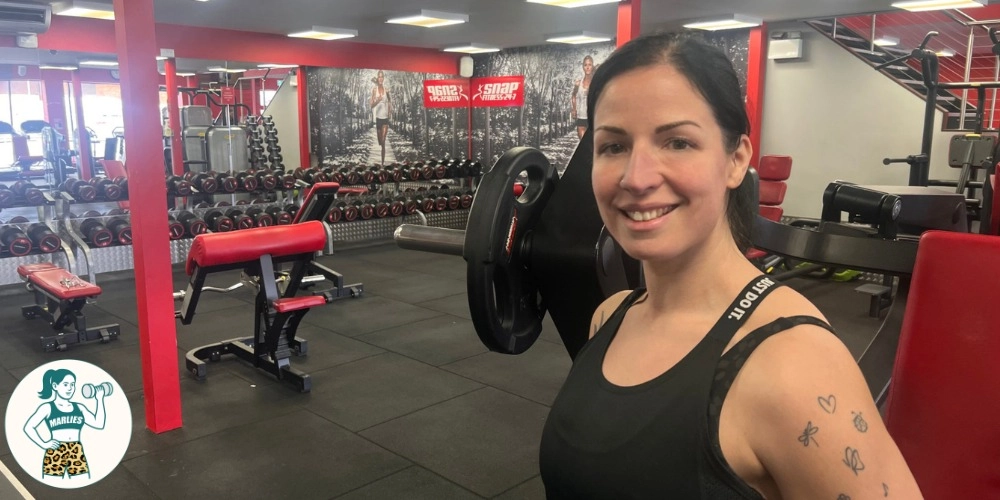
Since you have the questions, here is where to send them. Hi, I’m Marlies! is a female personal trainer based in Exeter, Devon, working with women of all shapes, sizes and backgrounds, including complete beginners and anyone back after a long break. If gyms make you feel like you missed the induction, that is exactly the starting point she works with.
Her approach is built on clear explanations and step by step technique coaching with machines and free weights, so you learn what you are doing and why, rather than copying whoever is on the next machine.
She specialises in gym confidence, sustainable fat loss and body recomposition, strength and toning for legs, glutes, core and upper body, posture and mobility, plus beginner and back after a break programmes.
That includes everything this article has been banging on about: plans that fit around work and family life, progress reviews, long term habits, motivation and accountability. No crash diets, no judgement, no expectation that you already know your way around a squat rack.
If you are still weighing up whether personal training is worth it for you, use the five questions and ask her directly. There is no need to decide anything before you have answers.
Conclusion: Your Next Three Moves

So here is your actual to-do list, and there is not a single burpee on it. Copy the five questions into one message and send it to two or three trainers this week. Ask about inclusions, first month, reviews, pause and cancel terms, and how they would coach your starting point. Compare replies side by side, in writing, not just the hourly figure.
Then pick your format from your real week, not your ideal one. One to one if technique and confidence need work. Online or hybrid if structure and consistency are the gap. Pay as you go if your schedule is chaos, even though the per session rate is usually higher.
Finally, run your own worth it test. Does the price buy a written plan, hands-on coaching, progress reviews and accountability you know you would not create alone? If yes, that rate is an investment. If no, keep asking, and take all the time you need.