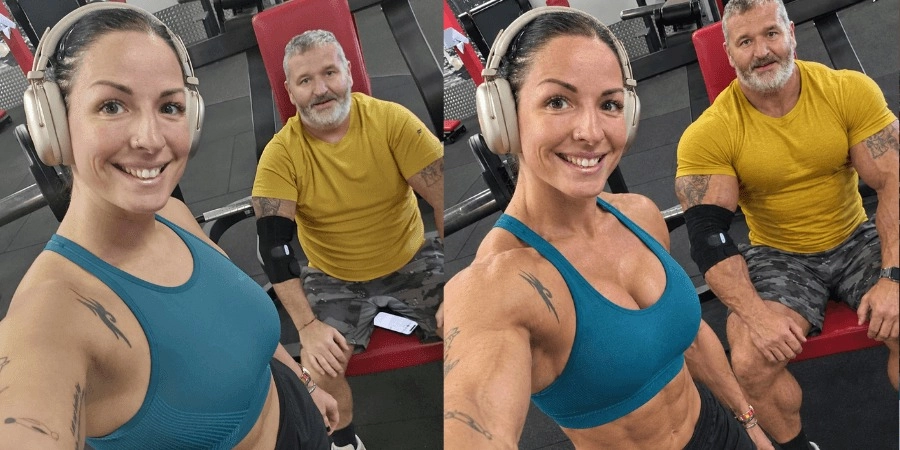

Ever stood next to another woman at the gym, found out you’re the exact same weight, and quietly wondered how on earth you look so different? Same number on the scale, totally different bodies. That’s not a glitch, and it’s not unfair either. It’s body composition at work.
So, what is body recomposition? In plain English, it means changing what your body is made of: losing fat while holding on to, or even building, muscle along the way. It’s why two women at the same weight can look completely different, and it’s the reason the scale alone never tells the whole story.
Here’s the good news: it’s not reserved for fitness fanatics. In this post we’ll unpack our plain-English definition, then separate body recomposition from fat loss and plain old weight loss. We’ll look at why this approach suits women chasing a firmer, “toned” look rather than just a smaller number, and walk through the three things that actually move the needle: progressive strength training, enough protein and a small calorie deficit. We’ll also cover how to tell it’s working when the scale refuses to budge, what the research actually shows, and your next step. Let’s dive in.
What Is Body Recomposition? A Plain-English Definition
Body recomposition means changing what your body is made of: losing fat while holding on to or building muscle. That’s the body recomposition meaning in one sentence you can repeat to a friend. You’ll see the term across Marlies’s programme pages, and this post is the glossary entry those pages lean on.
Here’s the bit that makes it click. Two women can weigh exactly the same and look completely different. Bathroom scales count fat, muscle, water, glycogen and bone as one single number. Same weight, different ingredients, different body. Think of two meals weighing 500g each. One is chicken, rice and veg; the other is cake and crisps. Same total grams, very different recipe.
Body fat is stored fat under your skin and around organs. Muscle mass is the muscle tissue that gives your body shape, strength and a firmer look. Recomposition is about changing the ratio, not just shrinking the total.
The practical version women actually coach with (strength training, enough protein and a small calorie deficit) is hands-on guidance, not a settled laboratory protocol. The research base is still growing; Examine notes that the ideal calorie intake for body recomposition isn’t entirely clear. We’ll keep that honest throughout.
Body Recomposition vs Fat Loss vs Weight Loss: What’s the Difference?
Let’s untangle these three, because they get used interchangeably and they really shouldn’t be. Weight loss means the number on the scales goes down. That’s it. And some of what leaves can be muscle and water, not just fat. Fat loss is more specific: fat goes down while muscle is protected, which is why the scales can barely budge. Body recomposition is the clever one: fat goes down and muscle goes up, so the scales can sit there stubbornly unmoved while your shape visibly changes.
Here’s the distinction that matters most. Same diet, two different outcomes. If you slash calories without lifting or eating enough protein, you’ll likely get a ‘smaller you’ – just a softer version of the same shape. Add strength training and adequate protein while the weight comes off, and you get a ‘firmer you’ instead. That’s why fat loss and weight loss aren’t the same thing, and why weights beat cardio for shaping your body.
So why do women get nudged towards plain weight loss? Crash diets and bathroom scales, mostly. They’re simple, they give quick numbers, and they tend to cost you muscle along with the fat.
Here’s the honest rub: because recomposition moves fat and muscle in opposite directions, weight is a poor scoreboard. That’s exactly why the mirror, a tape measure and your gym numbers tell you more.
One caveat: Examine notes results may depend on starting at a moderate body fat level, so leaner women and women with more fat to lose may see things play out differently. No one-size-fits-all here.
Why Body Recomposition Suits Women Chasing ‘Toned’, Not Just Smaller
And here’s where the word “toned” earns its keep. It isn’t a medical term, and no source defines it medically. Treat it as everyday shorthand for visible muscle shape with less fat sitting over the top. That’s what most women actually mean when they say it.
Muscle is what gives a body shape in the first place. A diet on its own shrinks the silhouette. Lifting while you lose fat changes the shape itself. That’s the difference between smaller and firmer, and it’s why Strong Not Skinny: Why Women Should Train for Confidence, Not the Scales is a better goal than a tiny number on the scales.
The everyday wins matter too. More strength for carrying children, shopping and the endless laundry basket. Better posture and joint support. Steadier energy. Clothes fitting differently at the same weight, which is a strange but lovely thing to notice.
This is the route that fits the women I coach in Exeter: beginners, mums getting back into it, and women returning after a long break. A slower shape change tends to stick better than a crash diet that ends in the usual start-stop cycle. And it becomes more valuable with age, which is why The Importance of Muscle Mass in Menopause & Beyond is worth a read.
What I won’t do is promise you a visible change by a set week. The research doesn’t hand us a timeframe that translates into a promise for any individual woman. Your body, your starting point and your life all get a vote.
How to Do Body Recomposition: The Three Things That Actually Move the Needle
So you’ve got the ‘toned’ bit. Here’s the mechanics: three levers, nothing exotic.
Lift something heavy, progressively. Marlies typically coaches two to three strength sessions a week covering legs, glutes, core and upper body, adding a little weight or a rep over time. That progression is the signal telling your body to hold on to the muscle you already have. There is no real substitute for it. Brand new to the gym? Get your technique right from day one, so you are not left guessing.
Eat enough protein, spread across meals rather than piled into one dinner. This is practical guidance for muscle repair and staying full while calories are lower, not a magic macro number. If you want a sanity check on what you see online, read why you shouldn’t believe everything you see on social media.
Keep the calorie deficit small. The aim is a gentle nudge below maintenance rather than an aggressive slash: enough of a deficit to lose fat without shortchanging the muscle you are working to keep. Examine states the ideal calorie intake for recomposition “isn’t entirely clear.” Which is exactly why Marlies individualises calories and protein for each client instead of handing out one template.
Then recovery: sleep, daily steps, stress and rest days. They do not build muscle themselves, but they decide whether the training and food actually become a result.
How to Tell Body Recomposition Is Working When the Scales Say Nothing
Here’s the tricky bit: once you’re doing the three levers, the scales may stubbornly refuse to budge. That’s not failure. It’s often exactly what recomposition looks like in progress. So you need a better scoreboard.
The tape measure comes first. Measure your waist, hips, thighs and upper arms every few weeks, at the same spots and the same time of day. This catches shape change the scales miss entirely.
Progress photos are next: same light, same spot, same time of day, ideally every four to six weeks. Comparing a Tuesday morning photo to a Saturday evening one is a brilliant way to feel worse for no reason. Different bloat, different lighting, different human.
Then your gym numbers. If you can lift more or do more reps than a month ago, muscle is being kept or built. As a beginner, that absolutely counts as progress, even when the scales won’t play ball.
Your clothes and everyday movement tell the story too. How your jeans sit at the waist, how the stairs feel, whether carrying the shopping got easier. Small and boring, but genuinely reliable.
Daily weigh-ins are a poor fit for this goal. Water, salt, hormones and the menstrual cycle can swing the number week to week (research on menstrual cycle changes). If you weigh, track a weekly average rather than a daily verdict.
What the Research on Body Recomposition in Women Actually Shows

Fair question. Now that you know how to track it, let’s look at what the evidence actually says.
The wider picture is encouraging: Examine reports that various studies have documented body recomposition, including in trained participants, so it is a real and observed outcome rather than a gym myth. Here’s the less exciting bit for us: that research has leaned heavily on male participants, so the evidence is not female-specific. We’re not going to pretend otherwise or quietly leave it out. It is not proof the same approach delivers identical results for women. And the calorie side is still unsettled.
It is also an active research topic. New reviews and editorials on body composition, skeletal muscle and sports nutrition keep appearing, and the conversation is clearly ongoing. We won’t quote definitions here, because nobody on this end has read the full texts yet.
So the science is promising but unfinished. That is normal, and it supports a sensible, patient approach, not a promise that you will see a particular result by a particular date. Which leads nicely to where we go next.
Your Next Step: Making Body Recomposition Work for You
So there you have it. The science is promising but unfinished, and that’s completely normal. What it supports is a sensible, patient approach, not a magic fix.
Let’s bring it all back to one line: recomposition is simply losing fat while holding on to or building muscle. Same weight, different ingredients, different you.
Here are three things to act on this week:
- Start lifting two to three times a week with progressive overload. Add a little weight or a rep over time. This is the signal your body needs to keep muscle.
- Spread protein across your meals. Not piled into one dinner. It supports muscle repair and keeps you full while calories are lower.
- Keep the calorie deficit small. Aggressive dieting costs muscle, and muscle is the whole point here.
And do yourself a favour: retire the scales as your main scoreboard. Use the tape measure, progress photos, your gym numbers and how your clothes fit instead. Weight is a lousy measure for a goal that moves two things in opposite directions.
The calorie side? That’s genuinely individualised. The ideal intake for recomposition isn’t settled, which is exactly why Marlies builds the plan around you, not a template.
If you want the strength training, technique and habits handled properly, whether you’re brand new to the gym or getting back into it, that’s where Marlies comes in. No crash diets. No gym intimidation. Just a plan that fits.
Conclusion
Body recomposition isn’t about chasing a smaller number on the scale. It’s about changing what your body is made of: losing fat while holding on to or building muscle. Same weight, different ingredients, different you.
The formula is the three levers we walked through earlier: lift progressively, spread your protein, keep the deficit small.
Your next step? Pick up a weight this week and let the tape measure, not the scale, keep score.