From Intimidated to Confident: What Your First 6 Weeks With a Personal Trainer Looks Like
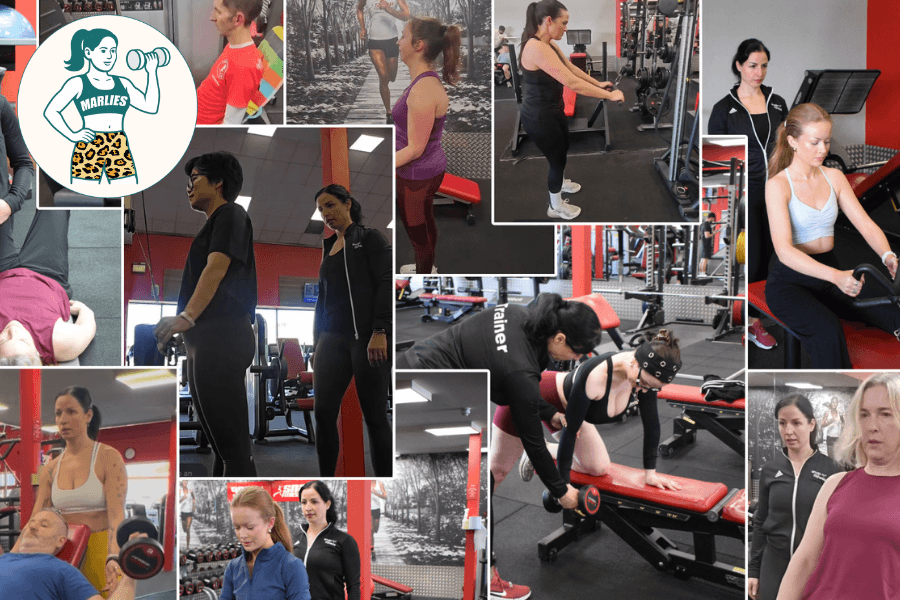
The goal is to help you feel stronger, more confident, and more in control. One session at a time.
From Intimidated to Confident: What Your First 6 Weeks of PT Looks Like
Starting personal training can feel like a big step.
You might be thinking:
“Will I be fit enough?”
“What if I don’t know what I’m doing?”
“What if I die during the warm-up?”
“What if everyone looks at me?”
“What if the trainer makes me flip a tyre while shouting motivational quotes?”
Relax. No one is launching you into a military bootcamp on day one.
A good personal trainer should not make you feel embarrassed, exposed, or like you’ve accidentally walked into an Olympic selection camp. The goal is to help you feel stronger, more confident, and more in control — one session at a time.
So if you’re nervous about starting, here’s what your first 6 weeks with a personal trainer might actually look like.
Spoiler: it’s a lot less scary than your brain is making it.
Week 1: Getting Started Without the Panic
The first week is not about “smashing it.”
It’s about getting to know you.
A good Personal Trainer will want to understand:
- your goals
- your current fitness level
- any injuries or concerns
- your lifestyle
- your confidence in the gym
- what you actually enjoy
- what you absolutely hate and would like fired into the sun
This is where the plan starts to become personal.
You might do some simple movement checks, a gentle first workout, and a chat about what you want from training. Nothing needs to be perfect. You don’t need to arrive with matching gym gear, protein powder knowledge, or the ability to squat like a fitness influencer with suspiciously good lighting.
What you’ll likely feel in Week 1:
- nervous before the session
- relieved afterwards
- surprised that it wasn’t as terrifying as expected
- possibly a little sore, but not broken
The biggest win in Week 1 is simple: you started.
That is not small. That is the bit most people avoid for months.
Week 2: Learning the Basics and Building Trust
By Week 2, things start to feel a little less alien.
You’ll begin learning the foundations:
- how to warm up properly
- how to use machines safely
- how to lift with good technique
- how hard a set should feel
- how to rest properly
- how not to wander around pretending to understand the cable machine
This is also where trust builds. You realise your trainer isn’t there to judge you. They’re there to guide you.
A good PT will explain what you’re doing and why you’re doing it. You should not feel like you’re just being dragged around random equipment while nodding politely and hoping for the best.
What you’ll likely notice in Week 2:
- exercises start to feel more familiar
- your confidence grows slightly
- you ask more questions
- you stop apologising for being new
Being new is allowed. Everyone starts somewhere. Even the people who now look confident in the weights area once had a first day where they didn’t know which way to face on a machine.
Week 3: The “Oh, I Can Actually Do This” Moment
Week 3 is where the magic starts to sneak in.
Not dramatic movie transformation magic. No slow-motion montage yet. But you may start noticing small wins, like:
- lifting a little more weight
- feeling less out of breath
- walking into the gym with less dread
- recognising exercises
- recovering quicker
- feeling proud after sessions
This is where many people realise they are more capable than they thought.
And honestly? That’s huge.
Because confidence doesn’t arrive first. Confidence comes from doing the thing repeatedly and proving to yourself that you can handle it.
Week 3 is often when you think:
“Okay… maybe I’m not completely useless at this.”
Which is a very underrated fitness milestone.
Week 4: Building Routine, Not Relying on Motivation
By Week 4, training starts to become part of your week rather than a dramatic event that requires emotional preparation and possibly a small pep talk in the car park.
You’ll likely be following a more structured programme now. That means repeating key exercises and gradually improving them.
This might include:
- squats or leg press
- rows
- presses
- deadlift variations
- core work
- mobility exercises
- conditioning or short finishers
The aim is not to destroy you. The aim is progress.
This is where you learn one of the most important fitness lessons:
You do not need to feel motivated every time. You need a routine you can repeat.
Motivation is lovely when it appears, but it’s unreliable. Like British sunshine. Nice when it turns up, but you absolutely cannot build your whole life around it.
What Week 4 often brings:
- better session flow
- more confidence with equipment
- less fear of “looking silly”
- clearer goals
- a sense that this is becoming normal
That “normal” feeling is gold. That’s where consistency lives.
Week 5: Seeing Progress Beyond the Scales
By Week 5, you may start noticing changes — but not always in the way you expected.
Maybe the scales move. Maybe they don’t. Either way, progress can show up in lots of better ways.
You might notice:
- clothes fitting differently
- better posture
- improved strength
- more energy
- better mood
- less back or shoulder stiffness
- feeling more confident in your body
- recovering faster after workouts
- walking into the gym without wanting to immediately leave
This is why focusing only on weight can be frustrating. The scales are useful sometimes, but they are also dramatic little rectangles that enjoy messing with your head.
A good PT will help you track progress properly.
That could include:
- strength improvements
- measurements
- photos
- fitness markers
- consistency
- confidence
- habits
- how you feel day to day
Because getting fitter is not just about shrinking yourself. It’s about building a body and mindset that feels stronger to live in.
Week 6: More Confident, More Capable, and Less “What Am I Doing?”
By Week 6, you’re not a completely different person. You’re not suddenly living on chicken, broccoli, and motivational quotes.
But you are likely different in important ways.
You may feel:
- more confident in the gym
- more comfortable with strength training
- clearer on what to do
- stronger in key movements
- less anxious about exercising
- more consistent with food and movement
- proud that you stuck with it
This is where the shift happens from:
“I don’t know if I can do this.”
to:
“I can do this — I just needed support and a plan.”
That’s the real transformation.
Not a ridiculous before-and-after promise. Not “drop two dress sizes by next Thursday.” Not nonsense wrapped in Lycra.
Just genuine confidence, better habits, and a stronger foundation.
What If You’re Really Nervous Before Starting?
Totally normal.
Lots of people feel nervous before working with a personal trainer, especially if:
- they haven’t trained before
- they’ve had bad gym experiences
- they feel self-conscious
- they worry they’re too unfit
- they don’t know how to use equipment
- they’ve tried and stopped before
But you do not need to be fit before starting PT.
That’s like saying you need to be tidy before hiring a cleaner. Absolutely not. That’s the whole point.
A good personal trainer meets you where you are and helps you move forward safely and realistically.
What Makes Personal Training Helpful for Beginners?
Personal training is not just about workouts.
It helps because it gives you:
- structure
- accountability
- support
- confidence
- correct technique
- a realistic plan
- someone to ask questions
- fewer excuses dressed up as “I’ll start next week”
And when you’re starting out, that support can be the difference between sticking with it and giving up after two awkward gym sessions and one confusing encounter with a rowing machine.
Will It Be Hard?
Yes.
But hard does not mean horrible.
The right level of training should feel challenging, but achievable. You should leave feeling like you worked — not like you’ve been personally attacked by a dumbbell.
A good PT will push you, but they’ll also know when to scale things back.
That might mean:
- lighter weights while you learn technique
- longer rests when needed
- modified exercises
- shorter sessions at first
- building gradually rather than going full chaos mode
The goal is not to break you. The goal is to build you.
Very important distinction. Surprisingly overlooked by people shouting “beast mode” at 6am.
What Results Can You Expect in the First 6 Weeks?
Everyone is different, but realistic first 6-week results may include:
- better gym confidence
- improved technique
- increased strength
- better consistency
- improved energy
- better understanding of nutrition
- less anxiety around training
- visible changes in posture or shape
- better routine around workouts
- clearer goals
Fat loss can happen too, especially if nutrition is aligned, but the biggest early wins are often confidence, consistency, and strength.
Those are the things that make the physical results much more likely to last.
Why Working With a Female PT Can Help
For many women, starting in the gym can feel intimidating. The weights area can feel especially awkward if you’re not sure what to do.
Working with a female personal trainer can help make the experience feel more comfortable, supportive, and relatable.
You get someone who understands that the goal isn’t just “lose weight.” It might be:
- feeling stronger
- building confidence
- improving body shape
- learning proper technique
- feeling good in clothes
- reducing stress
- getting back into routine
- feeling like yourself again
And if you’re looking for a female personal trainer in Exeter, having local, face-to-face support can make starting feel far less scary.
No guesswork. No awkward wandering. No pretending to stretch while secretly Googling “how to use leg press.”
FAQ: Your First 6 Weeks With a Personal Trainer
Do I need to be fit before starting personal training?
No. You start personal training to get fitter, stronger, and more confident. You do not need to arrive already fit. A good PT will adapt sessions to your current level.
What happens in the first PT session?
Usually, your first session includes a consultation, goal-setting, movement checks, and a beginner-friendly workout. It should feel supportive, not intimidating.
How quickly will I see results from personal training?
You can often feel improvements in confidence, strength, and energy within the first few weeks. Visible changes usually take longer and depend on training consistency, nutrition, sleep, and lifestyle.
Is personal training good for beginners?
Yes. Personal training is especially helpful for beginners because it gives you structure, guidance, and confidence with equipment and exercises.
How many PT sessions should I do per week?
For most beginners, 1–2 PT sessions per week works well, especially if paired with simple workouts or walks between sessions.
Will personal training help me lose fat?
Yes, personal training can support fat loss by improving strength, consistency, confidence, and accountability. Nutrition will also play a major role.
Can a female PT help with gym anxiety?
Absolutely. A supportive female PT can help you feel more comfortable in the gym, learn what to do, and build confidence without judgement.
Where can I find a female personal trainer in Exeter?
If you’re based in Exeter and want supportive, beginner-friendly coaching, working with a local female PT can help you feel more confident with training and build a routine that fits your life.
Ready to Feel Less Intimidated and More in Control?
Your first 6 weeks of PT are not about becoming a different person overnight.
They’re about learning, building confidence, getting stronger, and proving to yourself that you can do this.
You do not need to be fit enough.
You do not need to know what you’re doing.
You do not need to wait until life calms down.
You just need to start with the right support.
If you’re in Exeter and want a friendly, realistic approach to fitness, working with a female personal trainer can help you go from nervous and unsure to confident, capable, and actually enjoying training.
Yes. Enjoying training. Wild concept. But it happens.
Let’s Talk
Want a clear, structured plan that avoids all these mistakes? My coaching programmes give you personalised training, nutrition advice, and support so you can finally see results. Book a free consultation today. Or follow me on Instagram for more hints and tips! @MarliesPT
MARLIES FITNESS
Topics
More Posts
Get In Touch
Personal Trainer Exeter
At Marlies Fitness, we believe that fitness is about more than just the hour you spend in the gym — it’s about the choices you make every day that shape a stronger, healthier, and happier you. That’s why we created Insights: a space dedicated to sharing practical advice, expert guidance, and motivation to help you on your journey.
Here you’ll find tips that go beyond workouts and weights. From simple nutrition swaps that make eating well easier, to mindset tools that keep you motivated when life gets busy, our goal is to give you the knowledge you need to succeed — without the confusing jargon or overcomplicated routines.
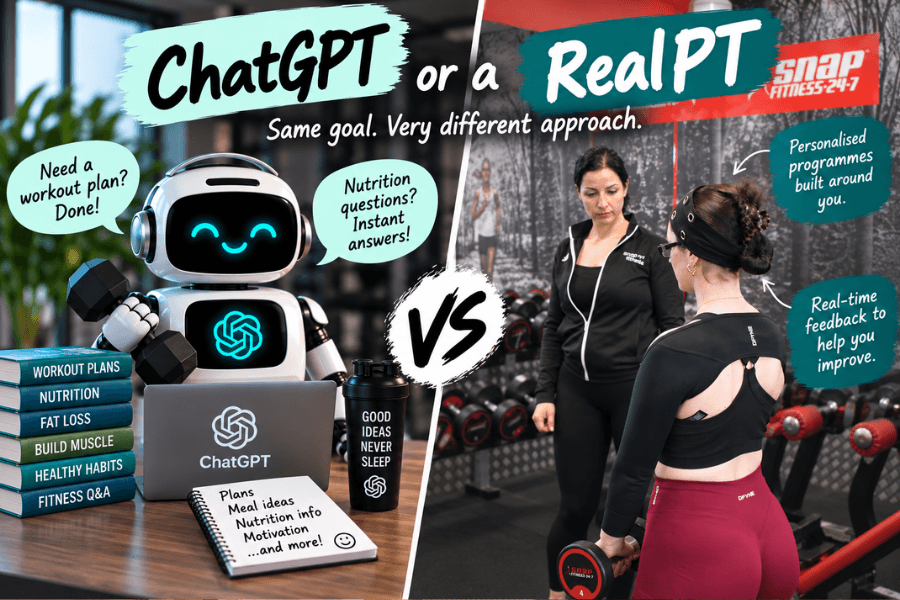
ChatGPT vs Personal Trainer: Which Is Better?
ChatGPT can write your emails, plan your holiday, explain why your washing machine is making that noise and apparently tell you what to have for dinner based on three sad-looking ingredients in your fridge.
So naturally, the next question is: can ChatGPT replace a personal trainer?
Is Sugar Really the Problem? Fat Loss & Nutrition
One minute you’re enjoying a biscuit with your coffee, and the next Instagram has convinced you that you’ve destroyed your metabolism, inflamed your entire body and personally offended your pancreas.
Let’s calm that down a little.

How to Stay on Track While on Holiday Without Ruining the Fun
An all-inclusive buffet can make even the most sensible person behave as though food is about to be permanently discontinued.
Enjoy your holiday without undoing your progress. Simple tips on walking, buffet choices, hydration and staying active without missing out.