Gym Anxiety Is Real: How to Start Training When You Feel Self-Conscious
If you’ve ever delayed starting because of that uncomfortable, exposed feeling — you’re not alone. Gym anxiety is incredibly common, especially for beginners, women, and busy professionals who already have a full-time job just keeping life from collapsing.
Here’s how to start training anyway, without it feeling like a full psychological thriller.
What gym anxiety actually is (and why it’s so common)
Gym anxiety usually comes from three things:
- Fear of judgment (“Everyone will think I’m unfit.”)
- Fear of doing it wrong (“I don’t know what to do with the equipment.”)
- Feeling like you don’t belong (“Everyone else looks confident and I feel like an imposter.”)
The annoying truth? Most people in the gym are far too busy thinking about themselves to be thinking about you.
And the people who do judge? They’re the minority, and they’re usually the ones doing half reps while filming themselves, so… not exactly a panel of experts.
Step 1: Choose the “quiet times” and stop playing on hard mode
If your anxiety is high, don’t start at peak time.
Start when the gym is calmer — fewer people, less noise, less pressure. You’ll feel more in control and you can learn your way around without feeling rushed.
Try:
- Mid-morning
- Early afternoon
- Later evening (depending on your gym)
Think of it like learning to drive. You don’t do your first lesson on a motorway in a thunderstorm.
Step 2: Have a plan (because wandering is where confidence goes to die)
The fastest way to feel gym anxiety is to walk in and improvise.
When you don’t know what you’re doing, every machine looks like it was invented purely to embarrass you.
Instead, walk in with a simple plan: 5–6 exercises, done in 30–40 minutes. That’s it.
Here’s a beginner-friendly full body session that doesn’t require you to be brave enough to claim a squat rack like you’re defending a medieval castle.
A simple beginner gym workout (30–40 minutes)
Warm-up (5 minutes):
Treadmill walk or bike at an easy pace
Workout (2–3 sets of 8–12 reps each):
- Leg press
- Seated row
- Chest press machine
- Romanian deadlift (with dumbbells) or hamstring curl machine
- Dumbbell shoulder press (seated)
- Plank or dead bug (core)
Cool down (2–3 minutes):
Easy walk + a couple of relaxed stretches
This gives you structure, direction, and a “job to do” — which massively reduces anxiety.
Step 3: Start smaller than your ego wants
This is where people mess up.
They try to “make it worth it” by doing loads, going too heavy, staying too long, and leaving feeling broken, which makes the gym feel like punishment, not progress.
Your first goal isn’t to smash it.
Your first goal is to leave thinking: “I can do that again.”
Start with:
- 30 minutes
- Simple machines
- Light weights
- Controlled reps
Consistency beats intensity every day of the week. Even on Mondays. Especially on Mondays.
Step 4: Wear what makes you feel comfortable (not what you think you should wear)
You don’t need matching sets. You don’t need tiny shorts. You don’t need to look like a fitness influencer who owns fourteen ring lights.
You need clothes that make you feel:
- secure
- confident
- able to move
If that’s leggings and an oversized tee? Perfect.
If that’s joggers and a hoodie? Also perfect.
Comfort = confidence. Confidence = consistency.
Step 5: Use headphones like social armour
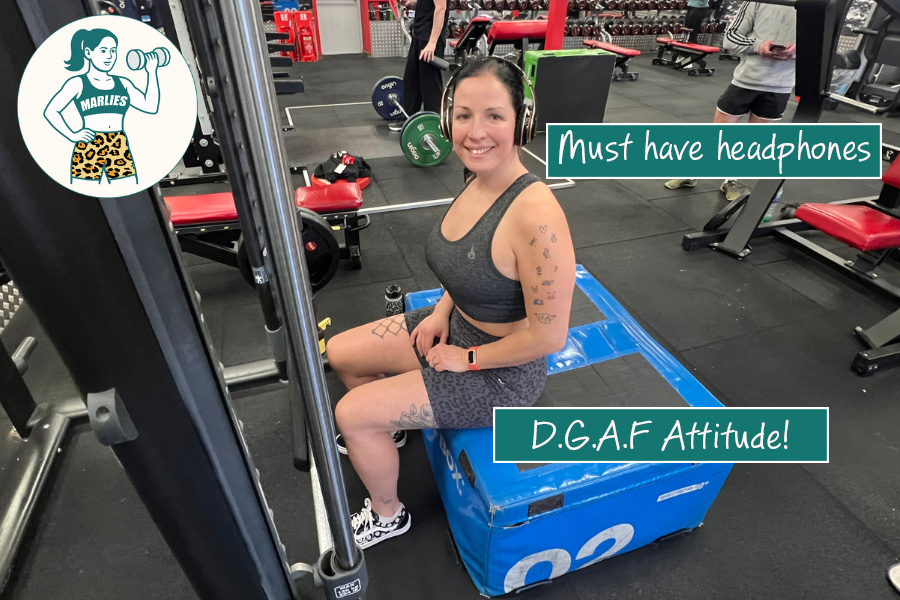
If you feel awkward, headphones help. Even if you’re not listening to anything. I swear by them, they are a huge factor in me overcoming my gym anxiety.
They create a “bubble” and reduce that feeling of being exposed. Music, podcasts, or even white noise — doesn’t matter.
Also, they’re a polite universal signal for:
“I’m doing a thing. Please don’t perceive me.”
Step 6: Don’t compare yourself to people who are on Chapter 20
Comparison is the fastest way to feel like you don’t belong.
But you’re comparing:
Your Day 1 to someone else’s Year 5
And you’re usually comparing your inside thoughts to their outside appearance.
You don’t know their story, their confidence level, their experience, or what they struggled with at the start. Most confident gym people started exactly where you are now — they just kept turning up.
Step 7: Focus on “gym confidence” instead of “gym results”
The first win isn’t weight loss.
It isn’t toned arms.
It isn’t a new PB.
The first win is this:
- walking in
- doing your plan
- leaving
Do that 2–3 times per week for a few weeks and gym anxiety starts to shrink, because your brain stops seeing the gym as a threat.
It becomes familiar. Normal. Just another place you go, like Tesco, but with less biscuit temptation.
What to do if you still feel anxious (and that’s totally normal)
If you still feel gym anxiety after a few sessions, you haven’t failed. You’re just human.
Try these:
- Go with a friend (even once or twice helps)
- Book a gym induction so you know where things are
- Stick to the same routine for 4 weeks (familiarity reduces stress)
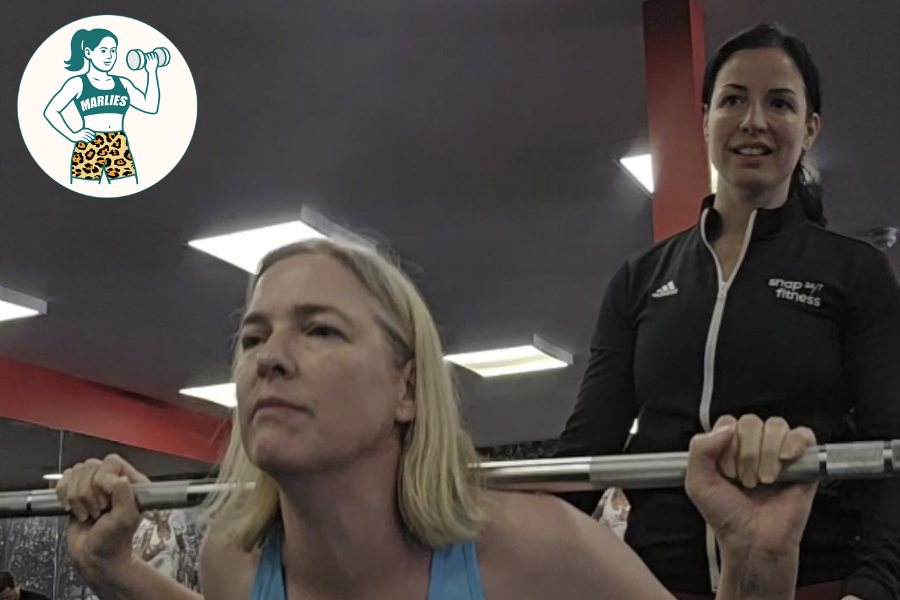
- Get a trainer for a few sessions to build confidence quickly
A good personal trainer doesn’t just write workouts — they remove uncertainty, teach you how to use the gym, and make you feel like you belong there.
Which you do.
Final thought: you don’t need to feel confident to start
Confidence isn’t the entry requirement.
Confidence is the result of doing it anyway.
If gym anxiety has been holding you back, start smaller, go quieter, follow a simple plan, and focus on showing up — not being perfect.
And if you want help making your first sessions feel calm, structured, and actually enjoyable, 1-2-1 coaching can take the stress out of it fast.
Because you deserve a gym experience that feels supportive not intimidating.
Let’s Talk
Want a clear, structured plan that avoids all these mistakes? My coaching programmes give you personalised training, nutrition advice, and support so you can finally see results. Book a free consultation today. Or follow me on Instagram for more hints and tips! @MarliesPT